
It’s officially that time of year when it’s most important to keep our dogs “Paws on Paths”, but what does this mean for us dog owners and why?
Paws on paths means exactly what it says on the tin, keeping your dogs in sight and on the designated footpaths at all times. It’s a great message this time of year not only for avoiding any potential hazards lurking in the thick shrubs such as ticks, thorns and adders but crucially it protects our precious breeding birds and other wildlife.
We often presume that all birds nest high in the trees. However, during bird breeding season many of our unique and endangered species will build nests and raise their young on or low to the ground, using the dense gorse for protection.
We are lucky enough to have incredibly rare species such as the European Nightjar calling our East Devon landscape home during the summer. These unique birds are experts in camouflage, blending in perfectly amongst plants and twigs on the ground where they lay their precious eggs in shallow scrapes on the floor, often close to paths.
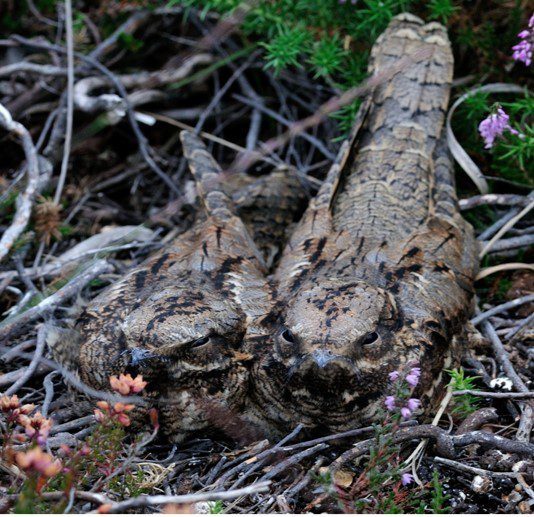
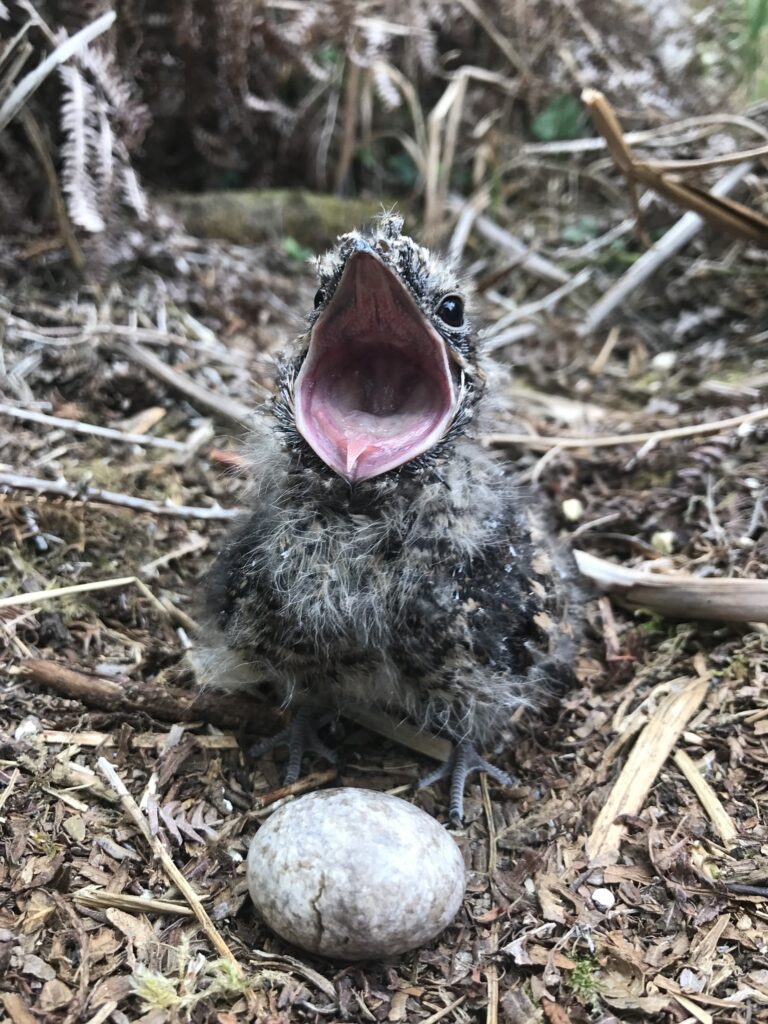
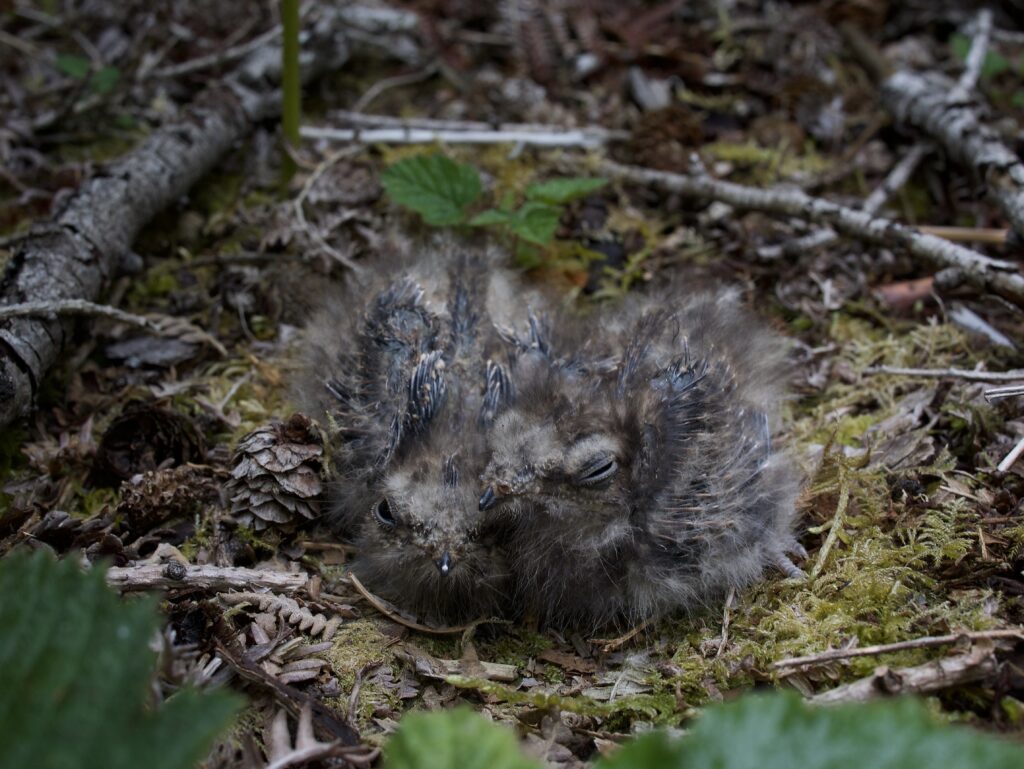
(Photo credit: Joshua Marshall)
The unique environment of the Pebblebed Heaths also creates the perfect habitat for the endangered Dartford Warbler, a striking, highly active little bird that likes to create their nests low in the dense gorse.
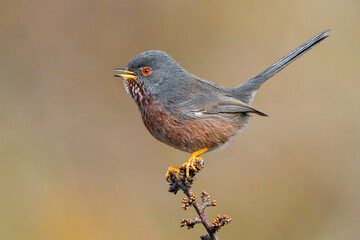
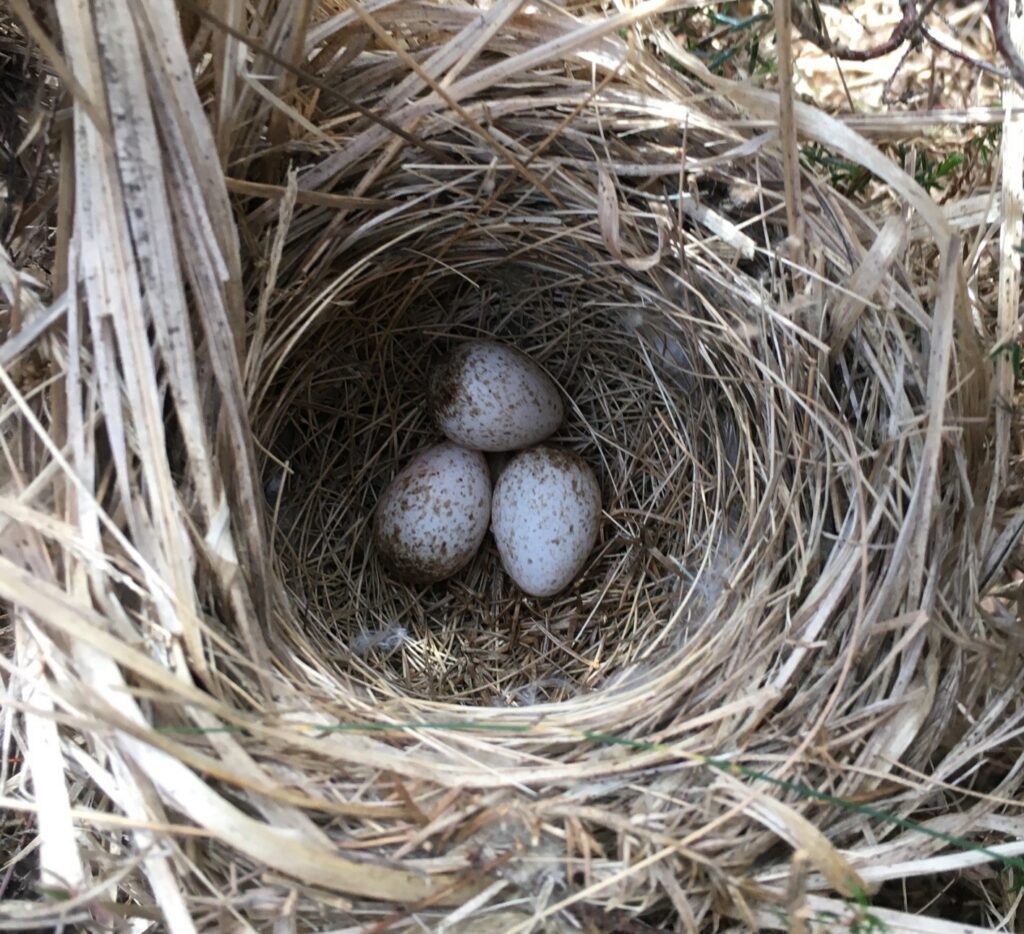
(Photo credit: Joshua Marshall)
You may think your dog isn’t causing disturbance because they don’t chase birds or seek out nests, but actually it’s very easy for them to do so without even realising… All it takes is for a nearby dog sniffing and exploring through the gorse to spook the parents which if repeated, causes them to abandon their nests leaving their eggs and chicks vulnerable to other predators and to exposure.
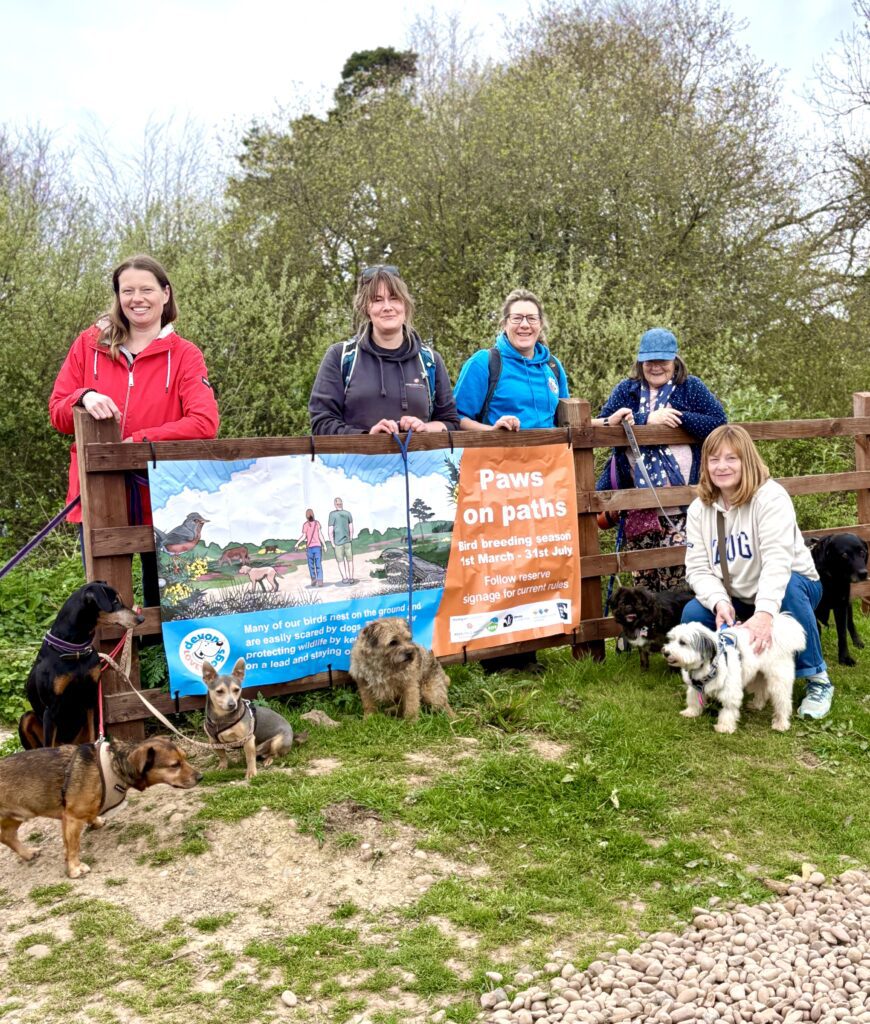
All of this can easily be avoided by following this one golden rule throughout the summer months. In locations such as the Pebblebed Heaths and other nature reserves where “Paws on Paths” is active, your dogs are welcome to enjoy the space off-lead in some areas, ensuring they stick to the paths and avoid darting off to explore in the undergrowth. In parts of the reserve managed by the RSPB and Devon Wildlife Trust please follow site signage and keep your dog on a lead.

If you have a highly inquisitive dog then it may simply be a case of using this time of year to explore other exciting walking locations with more secure open areas, where your dog can roam freely! New walking spots also offer enriching smells for dogs, elevating their usual walking experience and tiring them out with all of the excitement! Countryside Parks such as Dawlish, Cranbrook, Decoy and Ridgetop are perfect examples of this, but there are many more alternatives out there, so why not check out our Out and About page for some tail-wagging inspiration!
We also offer regular group guided Waggy Walks, that are a great way to discover new walking spots, learn a circular route and understand best practise when walking your dog on protected sites from our expert rangers. They are fun, free and very popular so book a space and come along! Remember if you can’t make it to our current walks we are regularly posting more so be sure to check back at a later date.
So, when you’re out on your local dog walks be sure to keep an eye out for any Paws on Paths banners, signs and messaging to ensure you and your dog are sharing these stunning spaces with wildlife safely and respectfully.